
CIID — Future Casting and Strategic Foresight
July 15-19 | 2019
Organisation: Copenhagen Institute of Interaction Design (CIID)
Date: July 15–19, 2019
Focus: Future Casting, Strategic Foresight, Speculative Design
Forward-Looking Field: Space Manufacturing
In a rapidly changing world, designing for the future means anticipating, challenging, and actively shaping what lies ahead, rather than simply reacting to trends.
This intensive CIID workshop explored future casting and strategic foresight to help designers address uncertainty in a structured, ethical, and creative way. As an interdisciplinary team, we explored space manufacturing as a speculative but plausible field introduced by the CIID faculty, focusing on how social, technological, ecological, and political factors could influence its development.
Instead of a single solution, we developed a set of informed and thought-provoking future scenarios to support long-term thinking, ethical reflection, and resilient decision-making.
Why This Matters
Emerging technologies often outpace our understanding of their long-term effects.
Sustainable innovation depends on foresight, ethical inquiry, and human-centred systems thinking, not just speed.
The Techniques
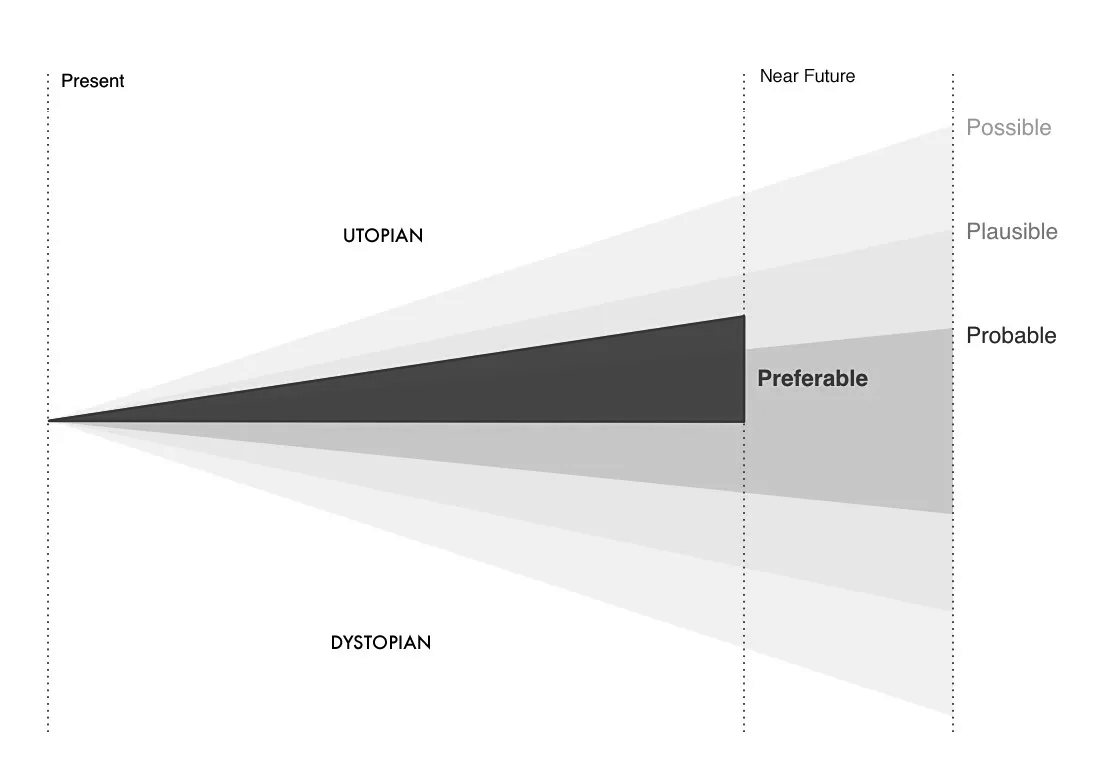
Future Forecast
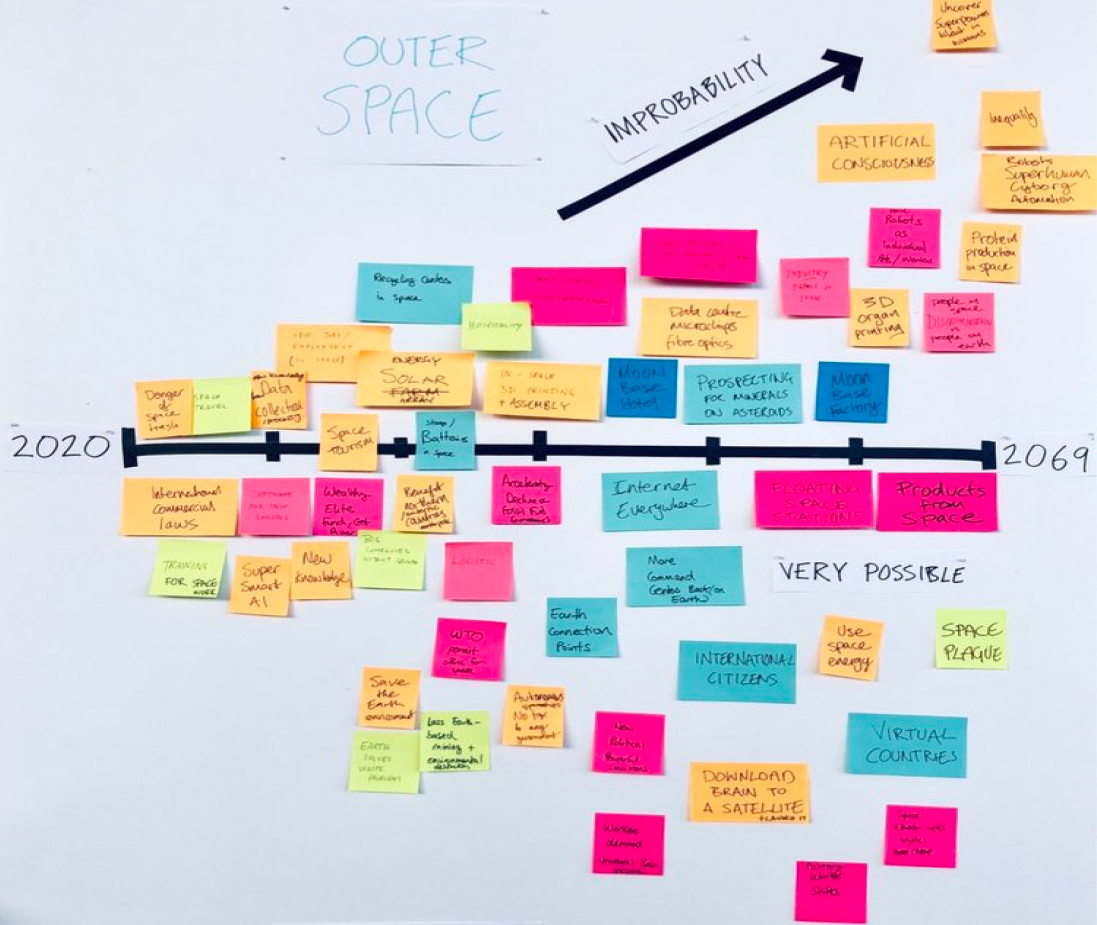
This technique maps trends and their related ideas along a timeline based on plausibility. Highly probable developments sit near the centre, while more unlikely or extreme ideas are placed toward the edges.
The timeline includes both utopian and dystopian outcomes, enabling teams to consider a wide range of possibilities and reflect on preferred futures. By supporting sequencing, cross-referencing, and comparison, the method encourages informed discussion of impact, risk, and desirability, rather than focusing only on technical feasibility.
This analysis helps identify realistic and strategically valuable directions, grounding design decisions in thoughtful and ethical foresight.
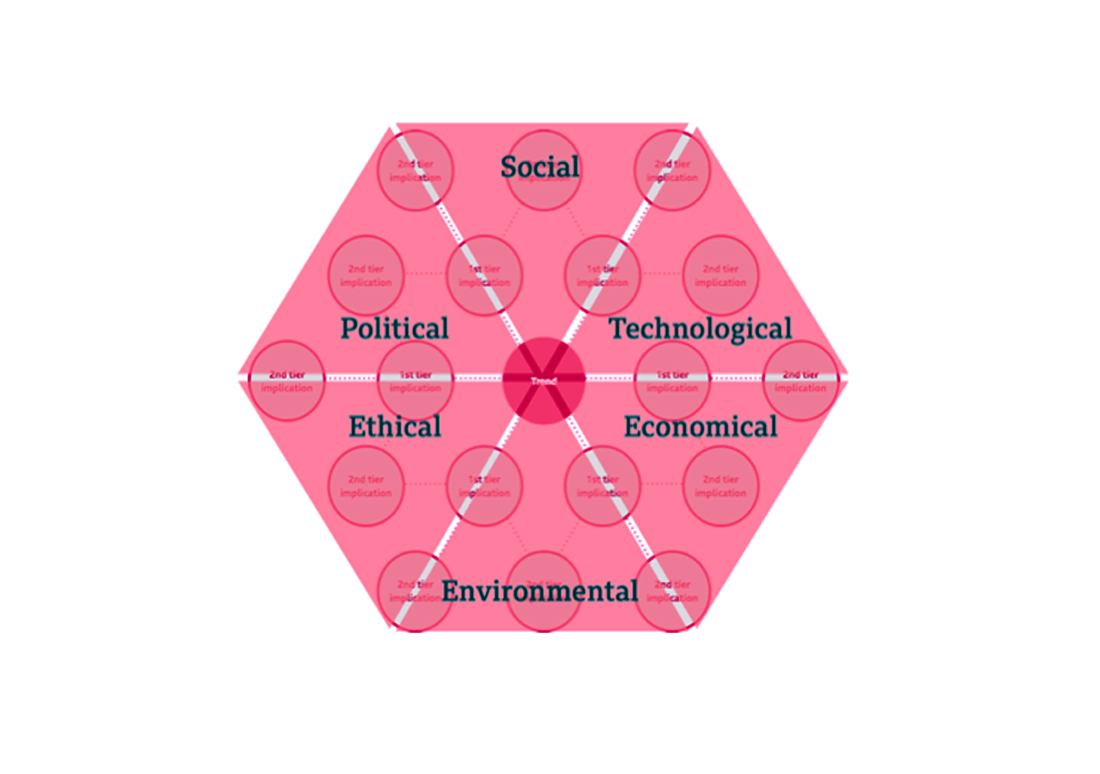
Futures Wheel
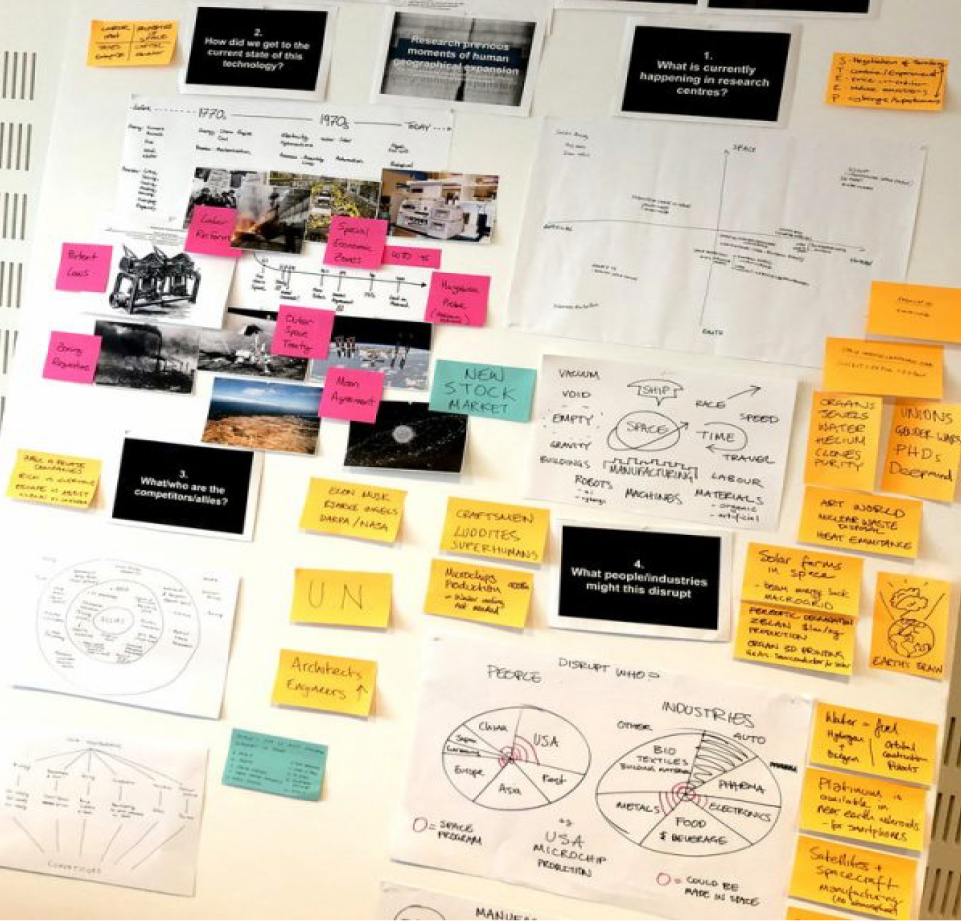
The Futures Wheel examines the direct and indirect implications of emerging trends using the STEEEP framework: Social, Technological, Economic, Environmental, Ethical, and Political.
By expanding outward from a single change, the method reveals second- and third-order effects, helping teams understand how shifts ripple across interconnected systems. This supports a more comprehensive and responsible assessment of impact, making the often-overlooked consequences of design and technological decisions visible.
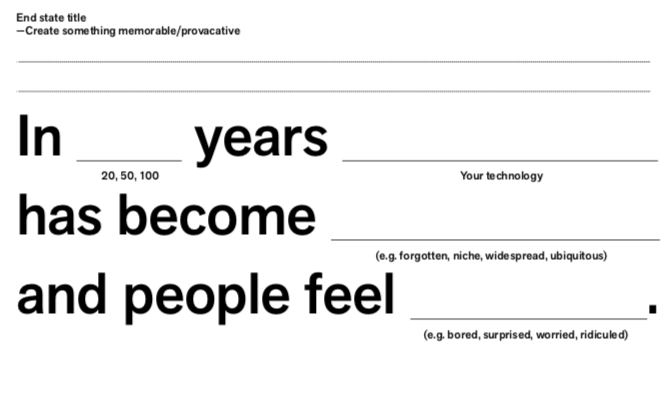
Headlines Exercise
This exercise examines how future media could portray major events involving emerging technologies or societal changes. Creating speculative headlines and news stories makes abstract possibilities more concrete and easier to discuss.
These early future artefacts help teams communicate complex ideas, identify assumptions and biases, and consider how public perception, influence, and power structures may change over time.
The Forward Looking Field
Space manufacturing was introduced by the CIID faculty as a speculative yet plausible field for exploration. The domain sits at the intersection of technological ambition, economic incentives, and ethical responsibility, making it a rich context for strategic foresight.
As an interdisciplinary team, we used this field to examine how manufacturing beyond Earth could reshape labor, resource extraction, governance, and environmental responsibility. We considered social, technological, ecological, and political factors together to understand how these systems might evolve and the futures they could create.
The Process
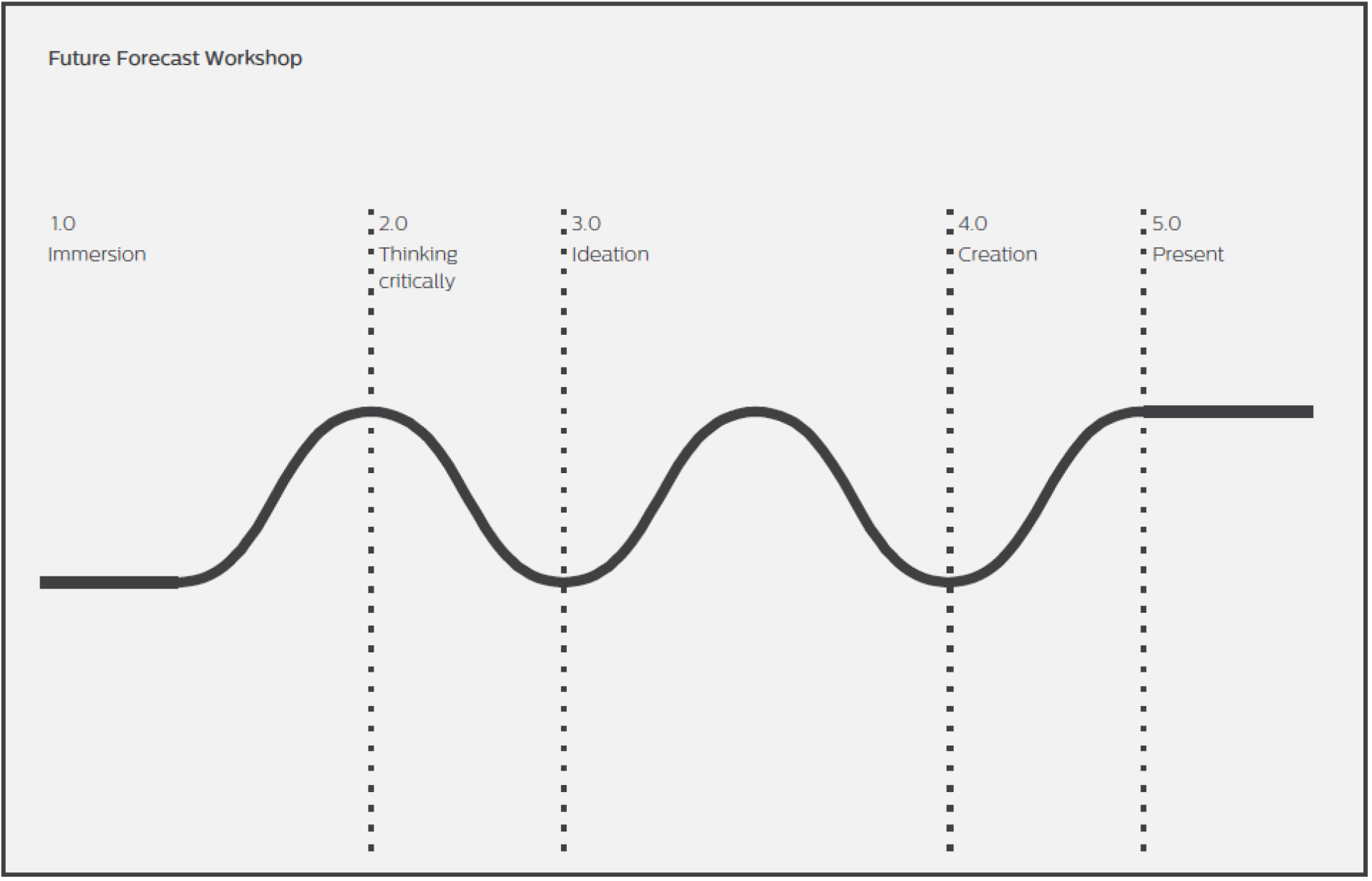
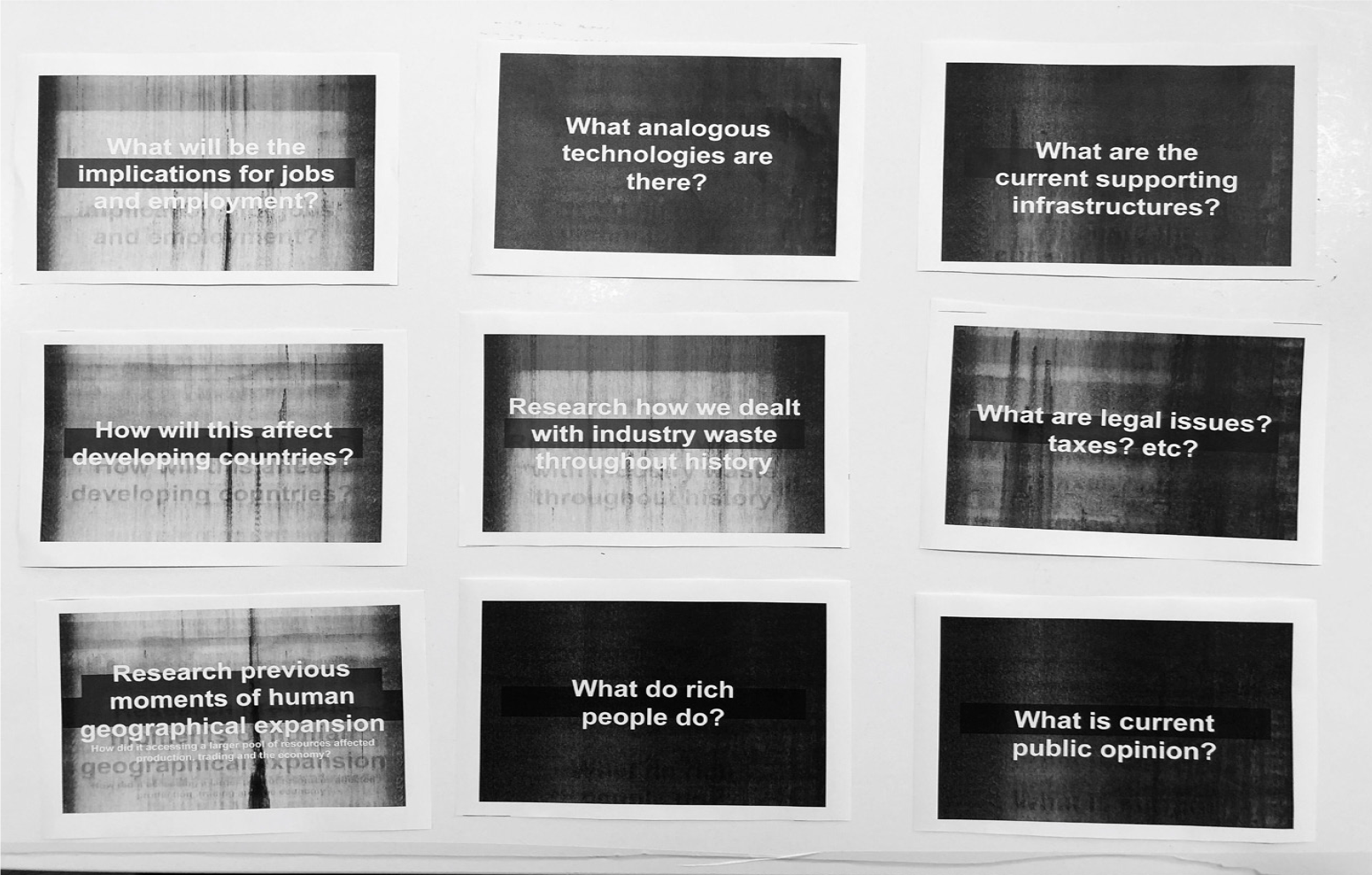
We started by assessing current user needs to project future trends. We then analyzed past innovations to identify factors that drive success or lead to the decline of technologies.
We translated these insights into stories, creating immersive future scenarios for audiences. This narrative method encouraged discussion, challenged assumptions, and fostered debate about possible futures.
The workshop concluded with a “Museum of the Future”, featuring artefacts from each scenario, curated as if by future archivists. Each artefact presented a layered narrative addressing social, technological, economic, and political aspects of the imagined futures.
Research and Analysys
We began by:
→ Assessed current user needs and societal drivers.
→ Analyzed historical innovations to determine factors influencing technological success or failure.
→ Identified weak signals and early indicators of change.
Sense Making and Scenario Building
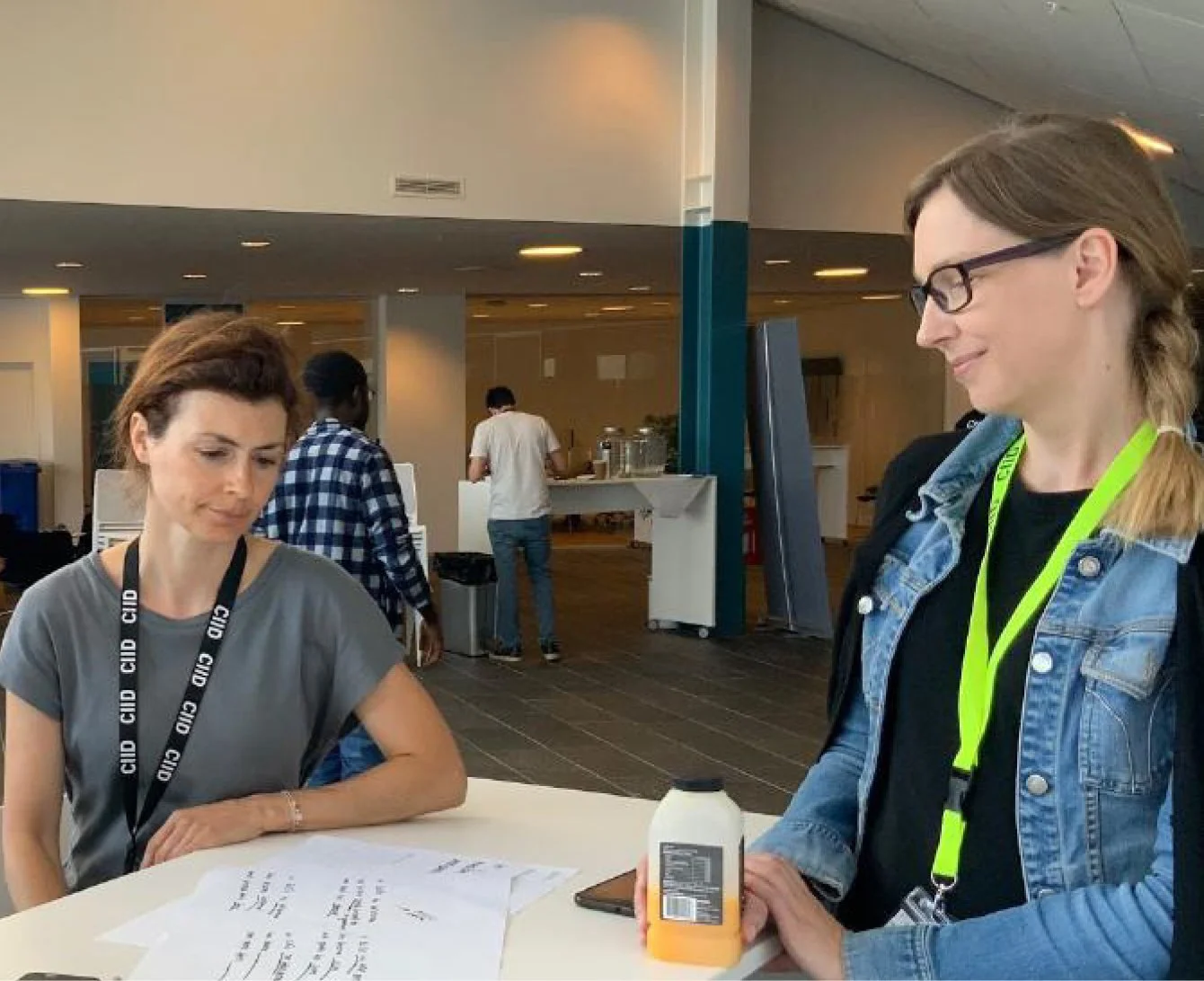
We translated insights into narrative-driven future scenarios. Storytelling served as a design tool to encourage debate, promote critical inquiry, challenge assumptions about progress, and examine ethical and human consequences.
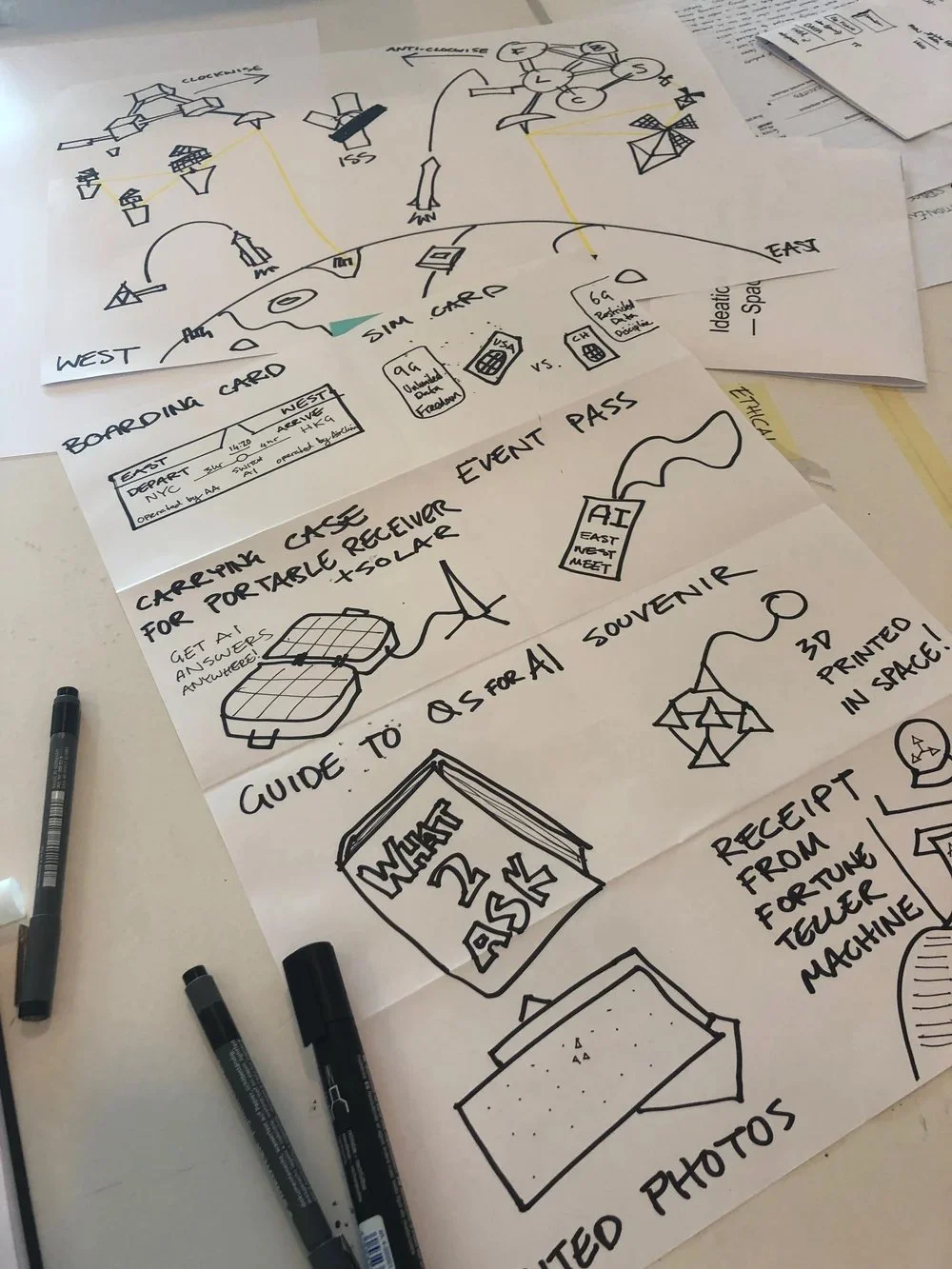
Ideation and Concept Development
We collaboratively generated several speculative concepts based on foresight research. We used a dot-selection process to identify the most compelling and strategically valuable ideas to advance.
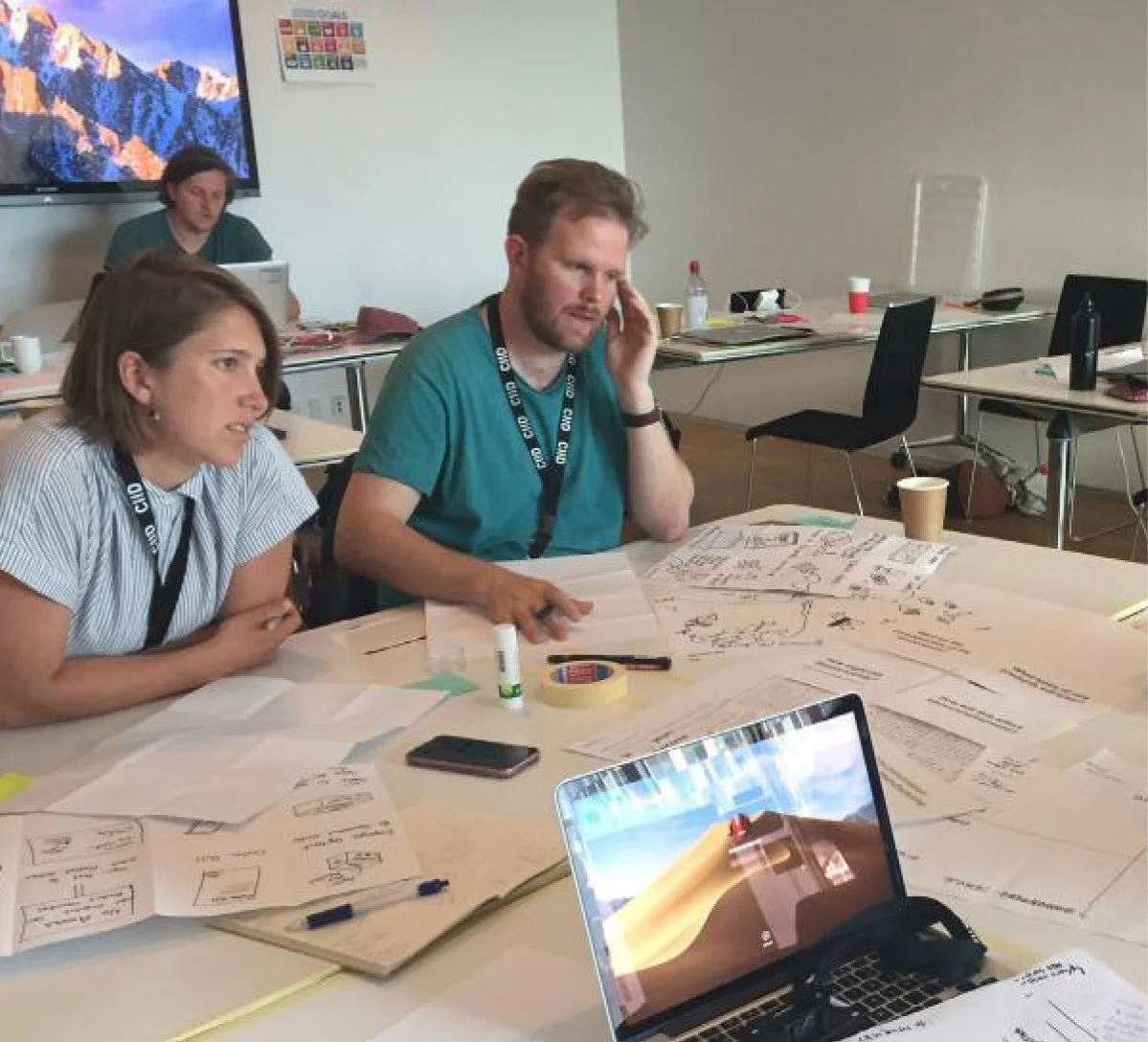
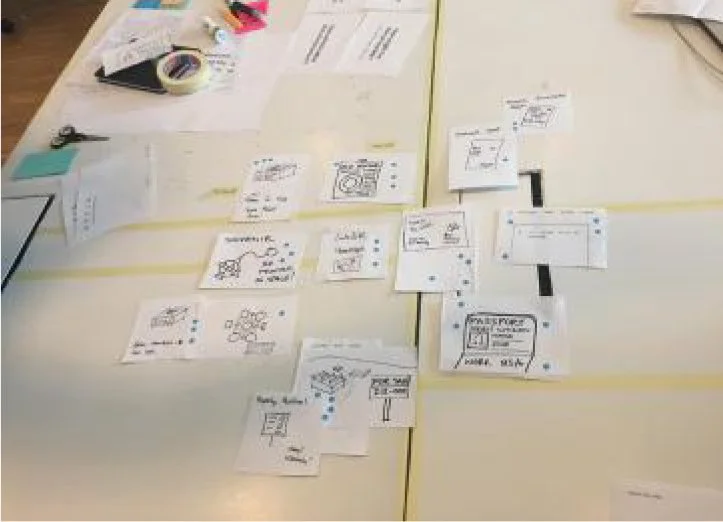
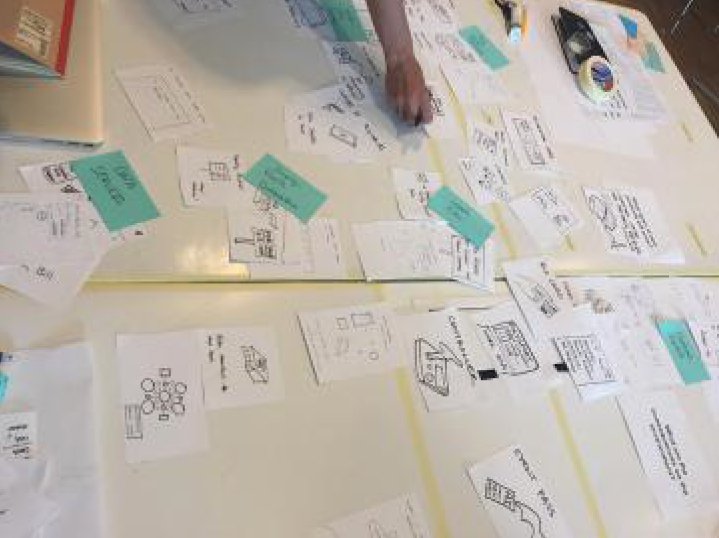
Museum of the Future
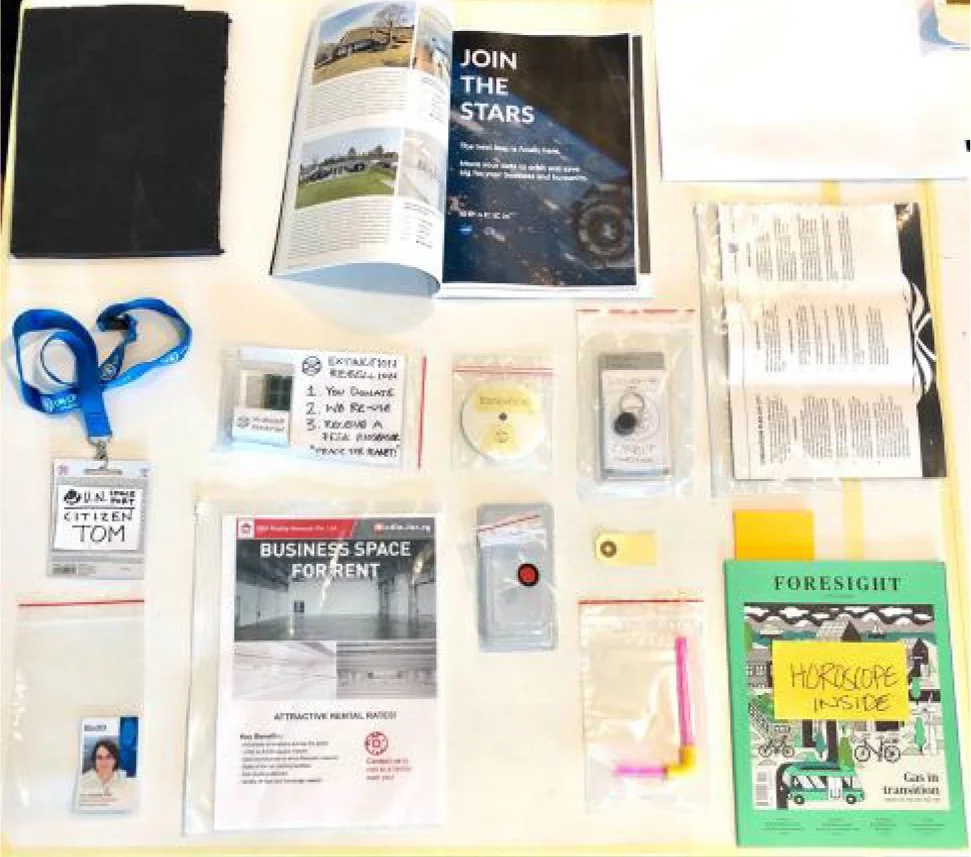
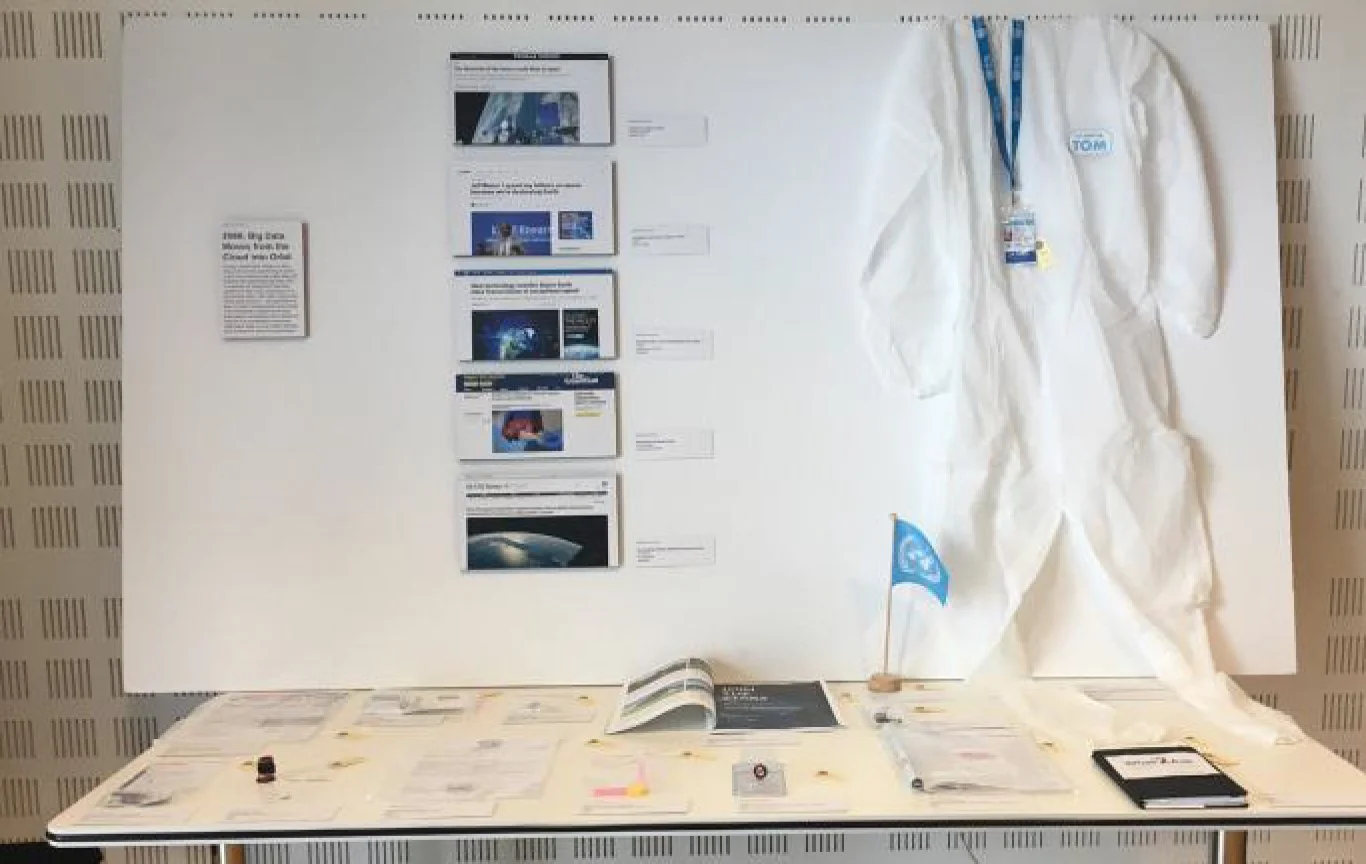
Our team curated speculative artefacts, presented as discoveries by future archivists. These ‘found objects’ conveyed layered narratives exploring:
→ Social and cultural hypotheses
→ Technological systems and infrastructures
→ Economic models and incentives
→ Political and ethical tensions
By materialising futures in this way, we made complex scenarios more accessible, relatable, and emotionally engaging. This approach encouraged deeper reflection on the human consequences of emerging technologies.