WEAR Sustain × Kobakant
Designing Ethical Wearables Through Material and Embodied Practice
Overview
Initiative: WEAR Sustain (EU Horizon 2020)
Duration: January 2017 – December 2018. My direct involvement was a one-week workshop.
Funding: €3M, European Commission (Horizon 2020)
Focus: Sustainable, ethical, and human-centred wearable technologies and smart textiles
WEAR Sustain was a European research and innovation initiative focused on ethical, sustainable, and responsible practices in wearable technology and e-textiles. While the program spanned two years and involved many stakeholders, my hands-on participation took place during a one-week Kobakant smart textiles workshop in Berlin, where I engaged in material experimentation, embodied interaction, and e-textile design.

Background
-
Wearable technologies connect the body, data, materials, and technology, raising key questions about ethics, sustainability, wellbeing, and agency.
WEAR Sustain addressed these challenges by:
→ Encouraging cross-disciplinary and cross-sector collaboration between designers, artists, technologists, and engineers.
→ Building a pan-European network of wearable technology and smart textile hubs.
→ Developing frameworks for ethical, aesthetic, and sustainable wearable prototypes.
→ Raising awareness among citizens, industry, and policymakers about the social and environmental implications of wearables.
The initiative brought together experts, investors, accelerators, public agencies, suppliers, and future EU-funded projects to strengthen Europe’s wearable technology ecosystem.
-
The WEAR Sustain Knowledge Platform was a shared resource for stakeholders in the wearable technology ecosystem, including:
→ Designers and artists working with wearables
→ Research hubs and higher education institutions
→ Wearable technology project developers
→ Industry stakeholders and supply-chain partners
The platform supported ongoing collaboration, knowledge exchange, and the development of the WEAR Sustain Sustainability Strategy, fostering a lasting community committed to ethical innovation.
-
As a member of the WEAR Sustain network, I engaged with the Knowledge Platform to:
→ Stay informed about research, services, and project developments.
→ Contribute to and learn from discussions around sustainability and ethics in wearables.
→ Access workshops, methodologies, and best practices from leading practitioners in the field
Through the initiative, I attended an intensive workshop on smart textiles and e-textiles led by Mika Satomi and Hannah Perner-Wilson (Kobakant) in Berlin in August 2017.
Kobakant Smart Textiles Workshop
Facilitators: Mika Satomi & Hannah Perner-Wilson
Location: Kobakant Studio, Berlin
Duration: 1 week (August 2017)
The workshop focused on hands-on exploration of e-textile techniques, combining material experimentation, embodied interaction, and critical making practices.
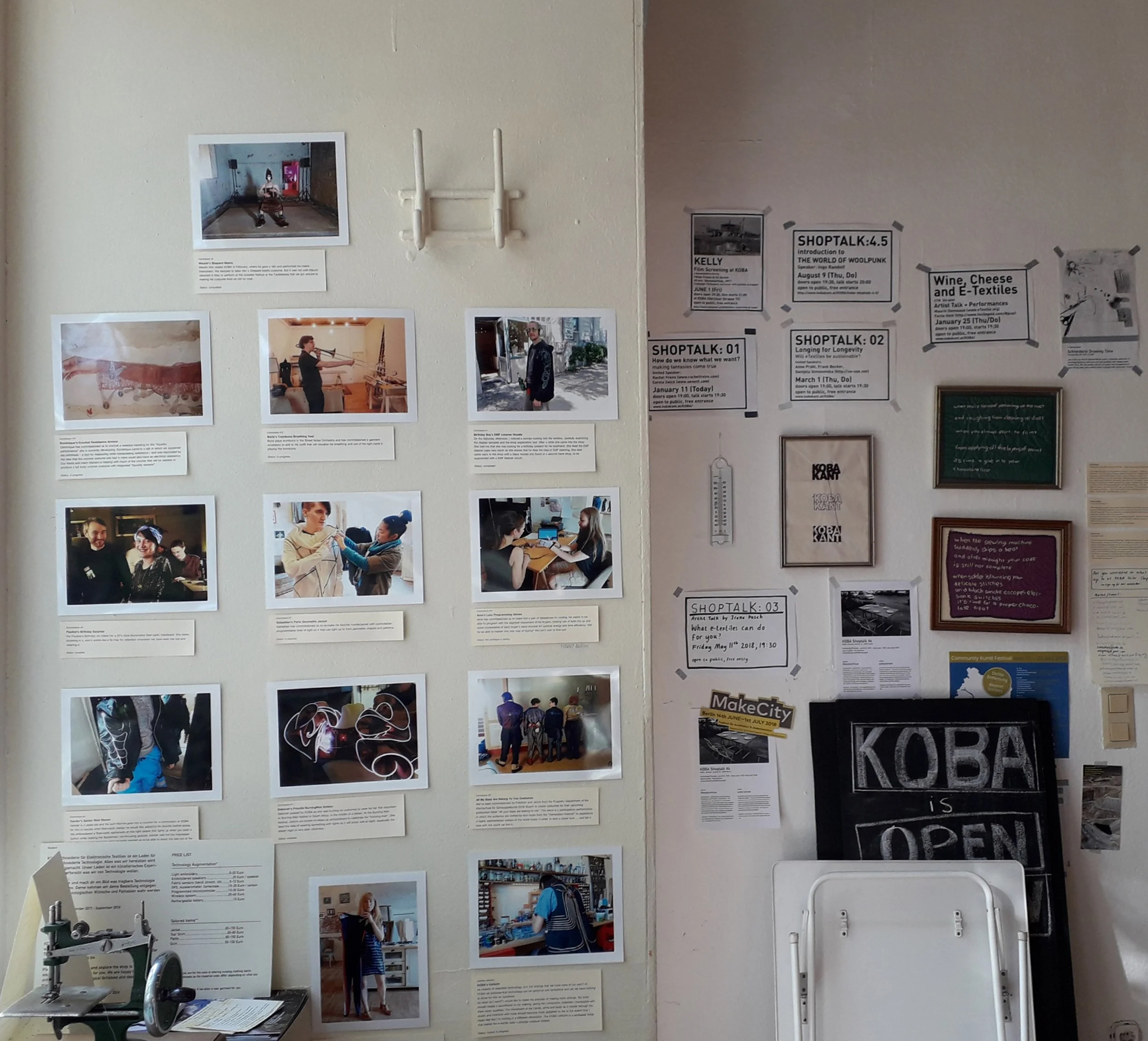
Workshop Structure
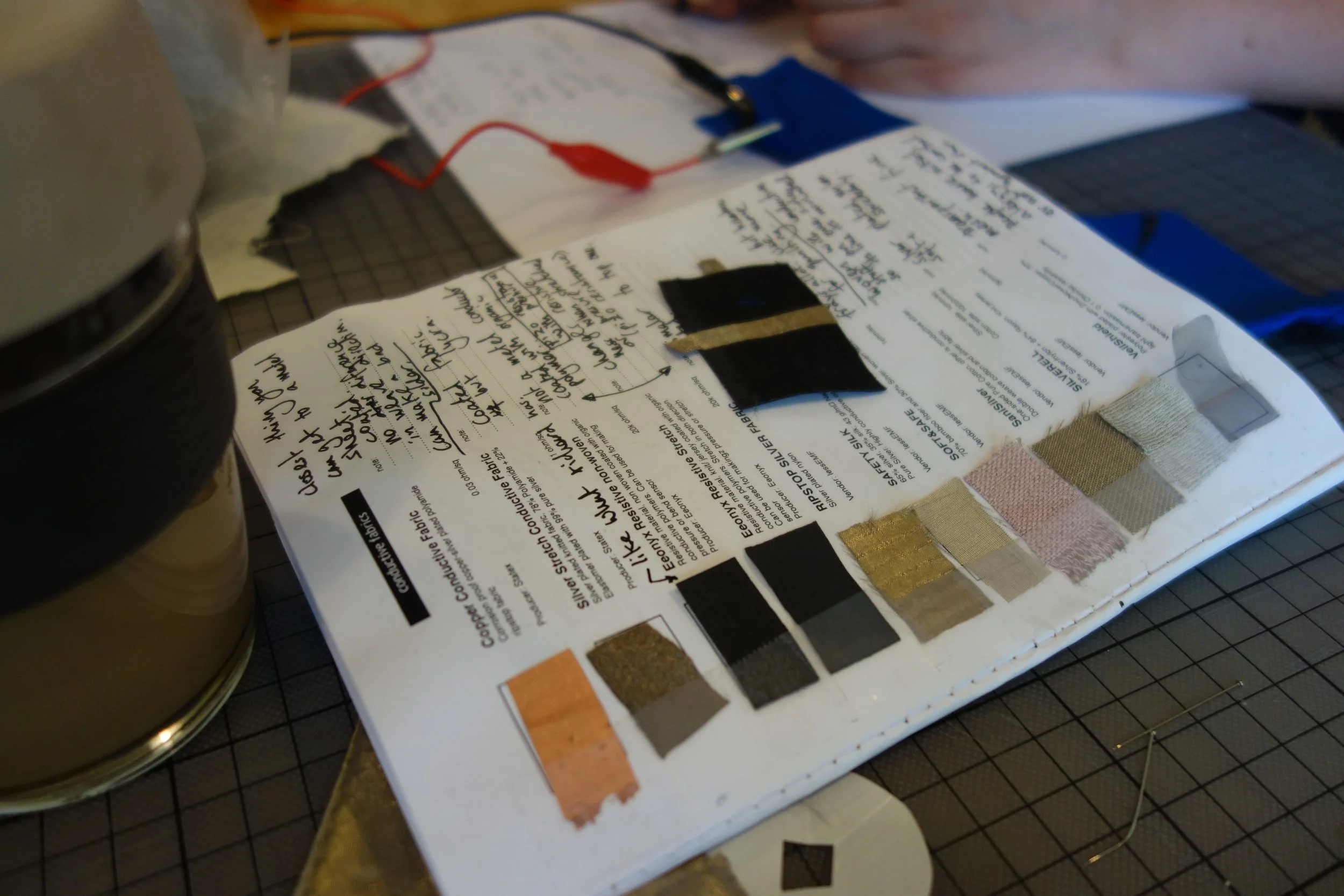
1: Meet the materials: textiles and conductive materials
2: Introduction to textile sensors
3: Textile sensor experimentation
4: Pecha Kucha presentations (participants shared prior wearable work)
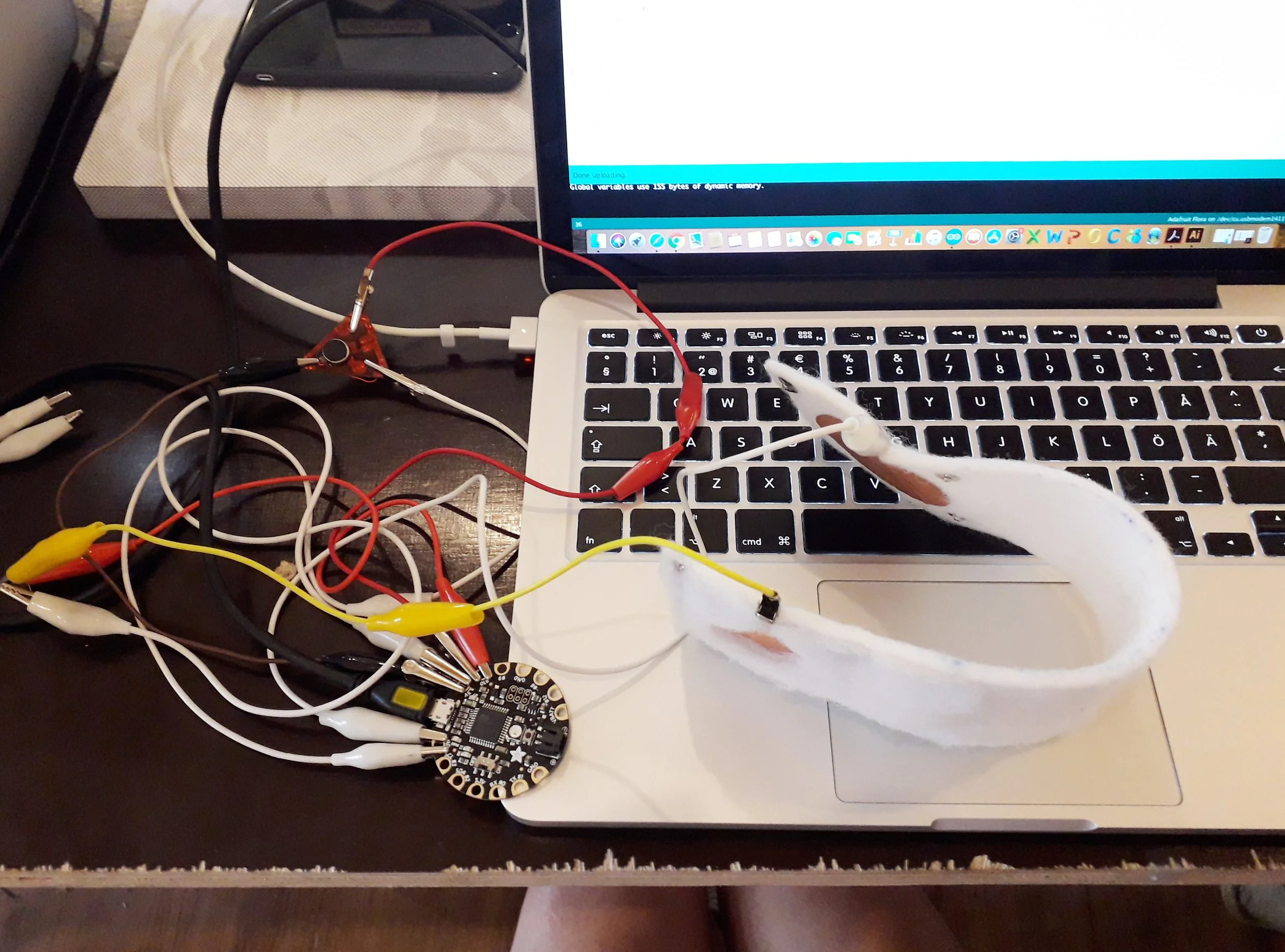
5: Arduino programming introduction
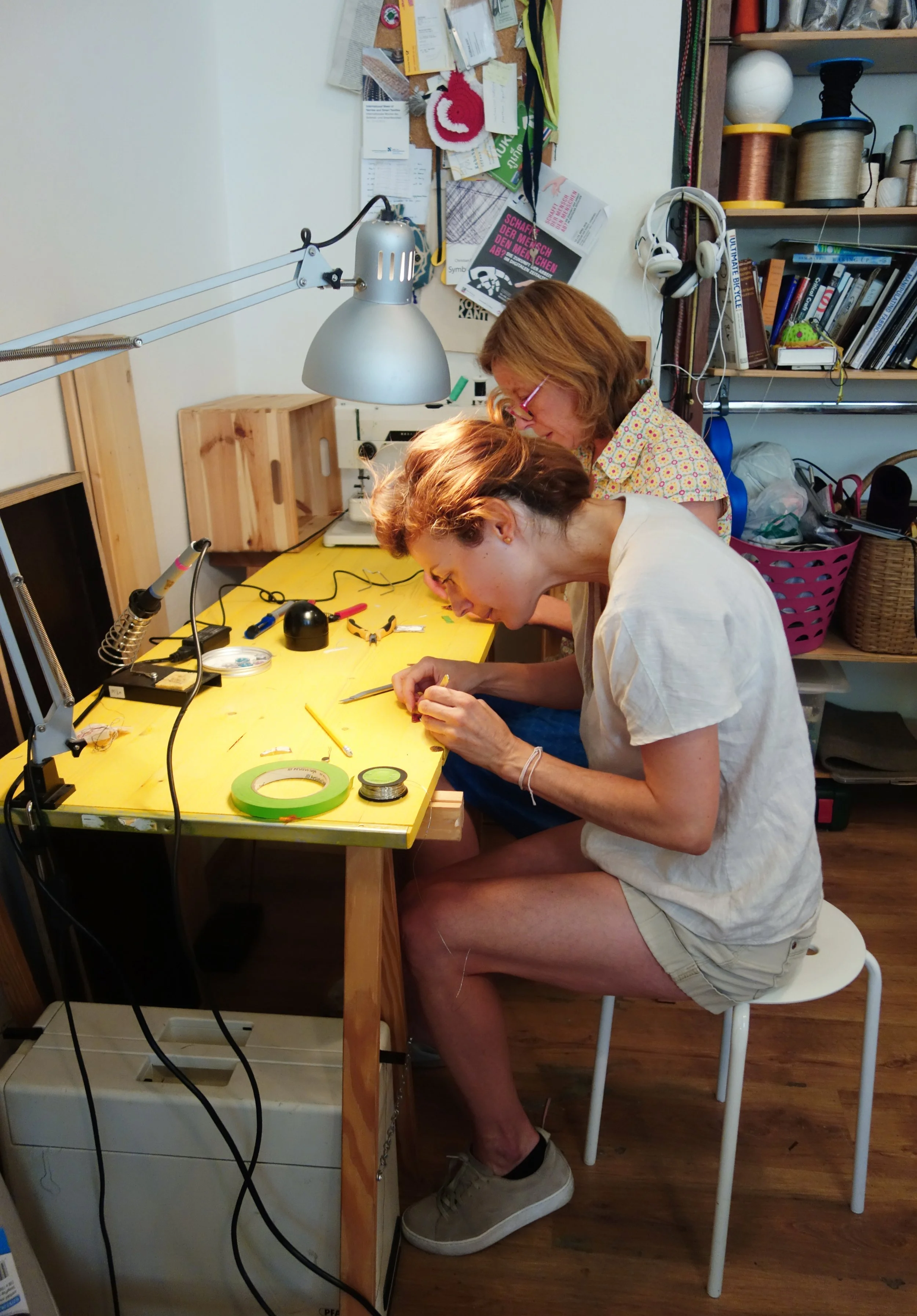
6: Hard/soft connections and DIY textile circuits
7: Circuit layout design
8: Pattern making and circuit integration
9: Project definition and development
10: Iteration, refinement, and final presentation
Project: Posture-Correction Jacket with Haptic Feedback
During the workshop, I designed and built an e-textile jacket that promotes posture awareness through haptic feedback. The project explored how wearable technology can encourage bodily awareness and self-correction without relying on screens, data dashboards, or surveillance-based feedback.
Soft textile sensors were integrated into the garment to detect changes in posture. These sensors were developed through hands-on experimentation with conductive fabrics, stitching techniques, and material layering, ensuring the electronics remained flexible, comfortable, and durable.
Haptic feedback elements were embedded in the jacket to provide subtle, localized tactile cues when posture shifted beyond a set threshold. Instead of enforcing correction, the interaction was intentionally gentle, encouraging awareness and adjustment while respecting the wearer’s autonomy and comfort.
Pattern making and circuit layout were developed in parallel, allowing the electronic logic and garment form to evolve together. This approach ensured that interaction design, material behaviour, and aesthetics were addressed as a single, integrated system.
-
![]()
01
-
![]()
02
-
![]()
03
-
![]()
04
-
![]()
05
-
![]()
06
-
![]()
07
-
![]()
08
-
![]()
09
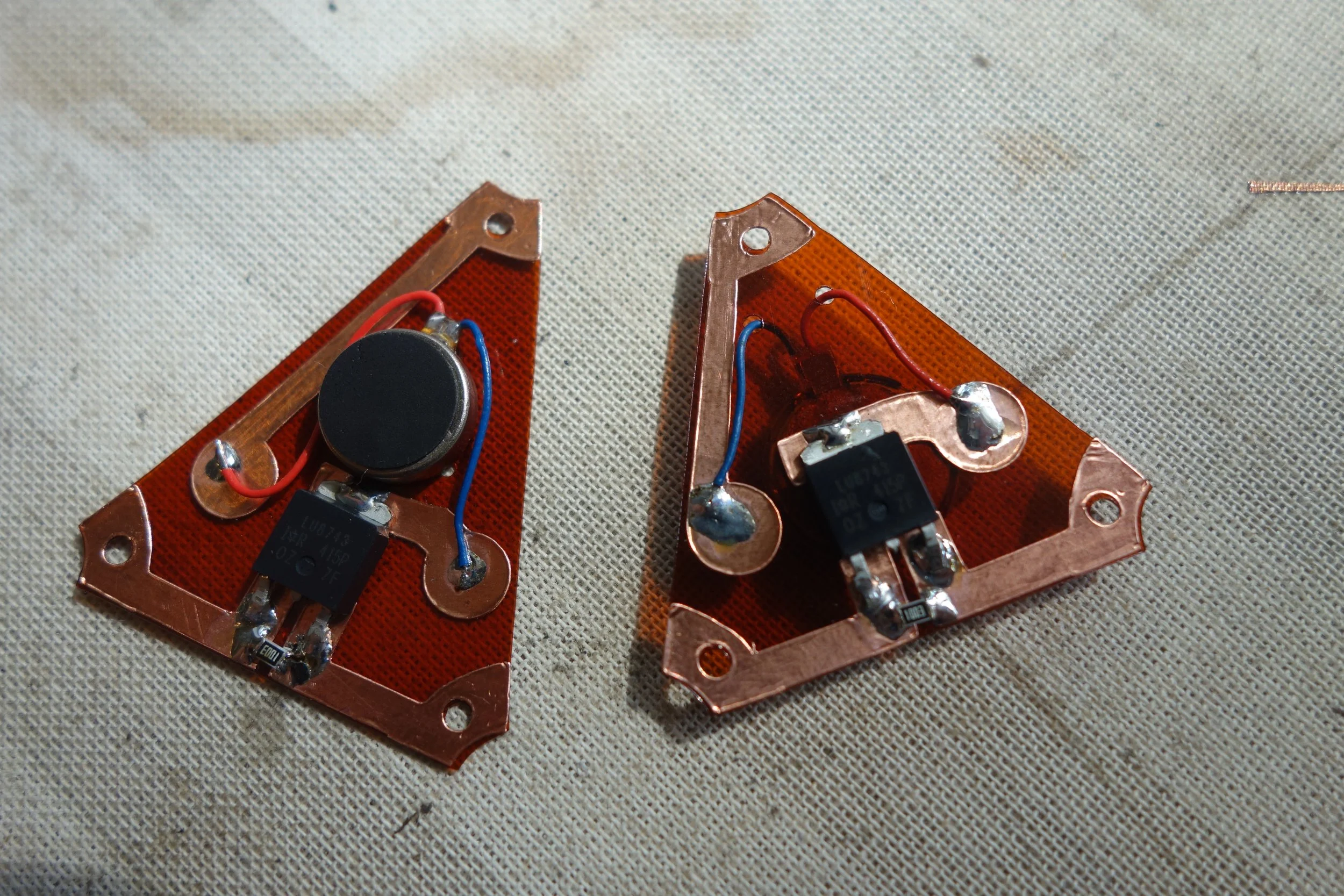
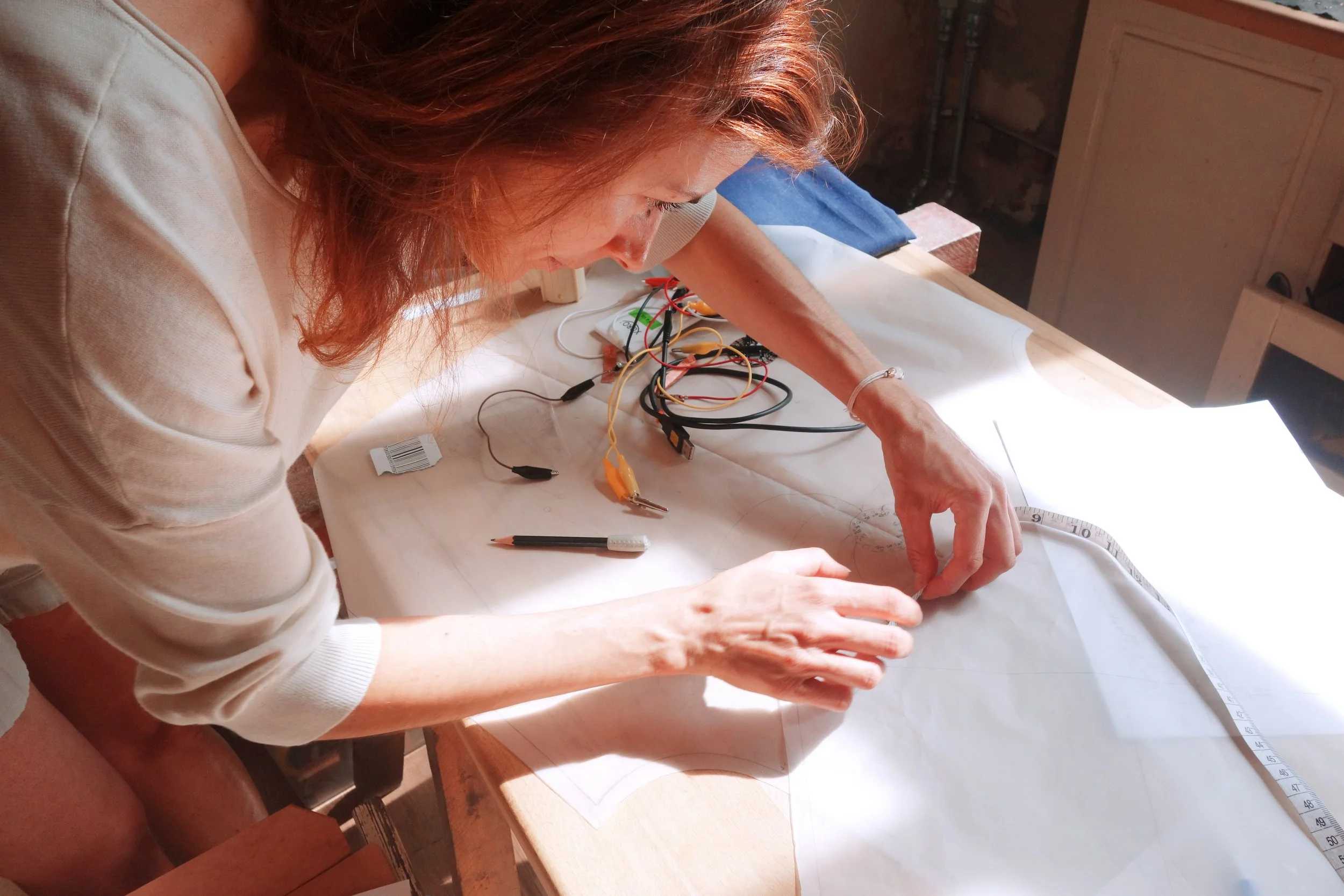
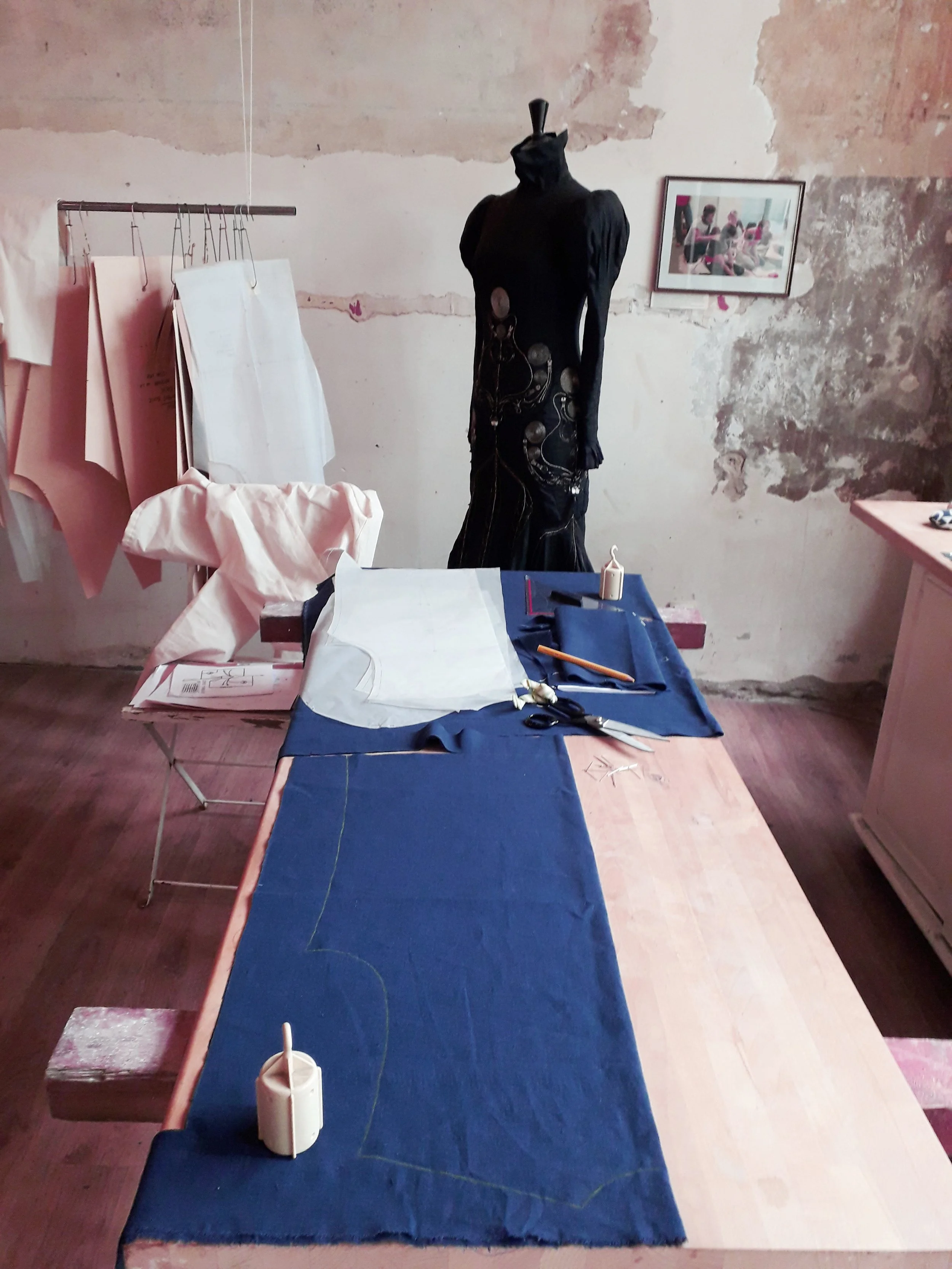
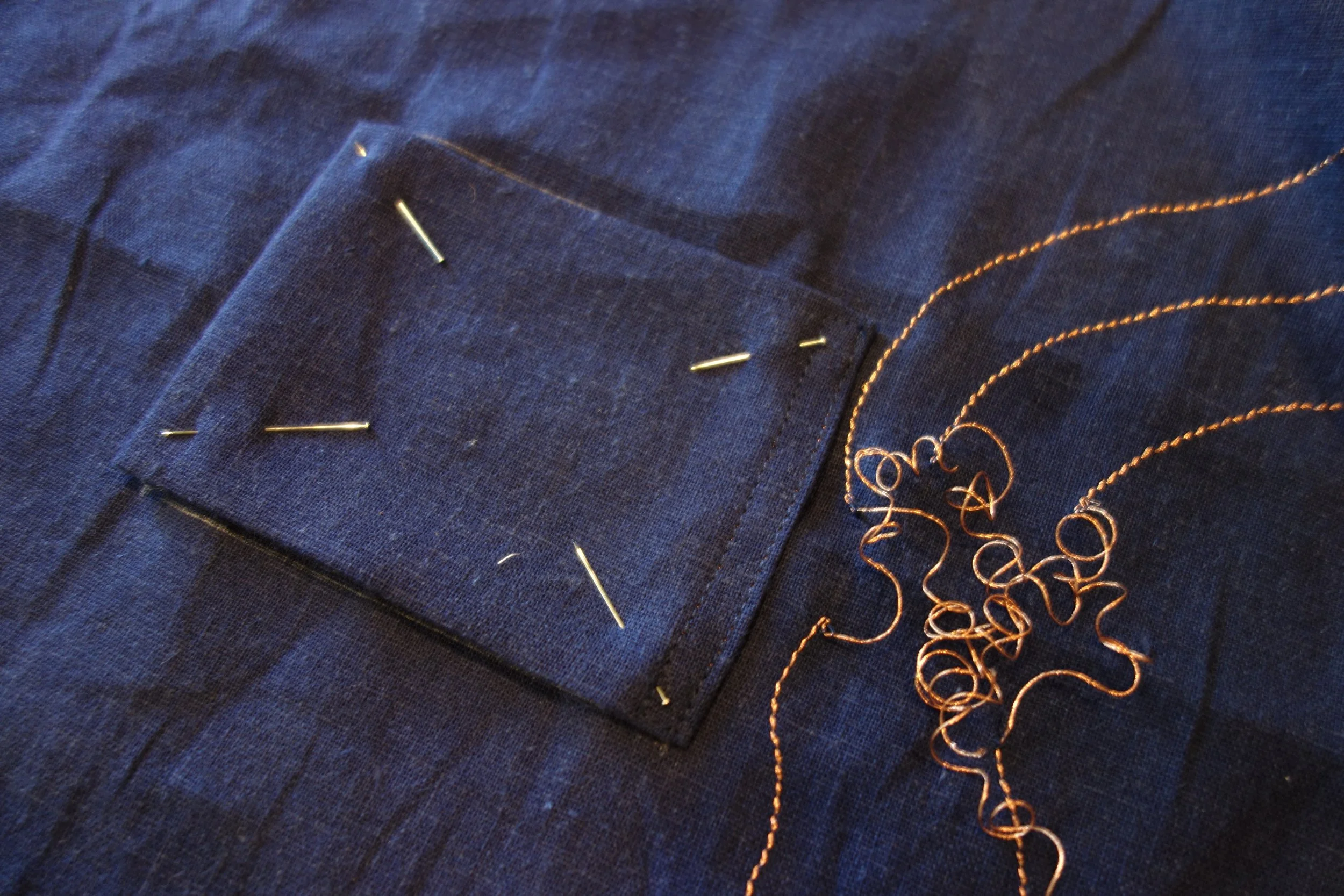
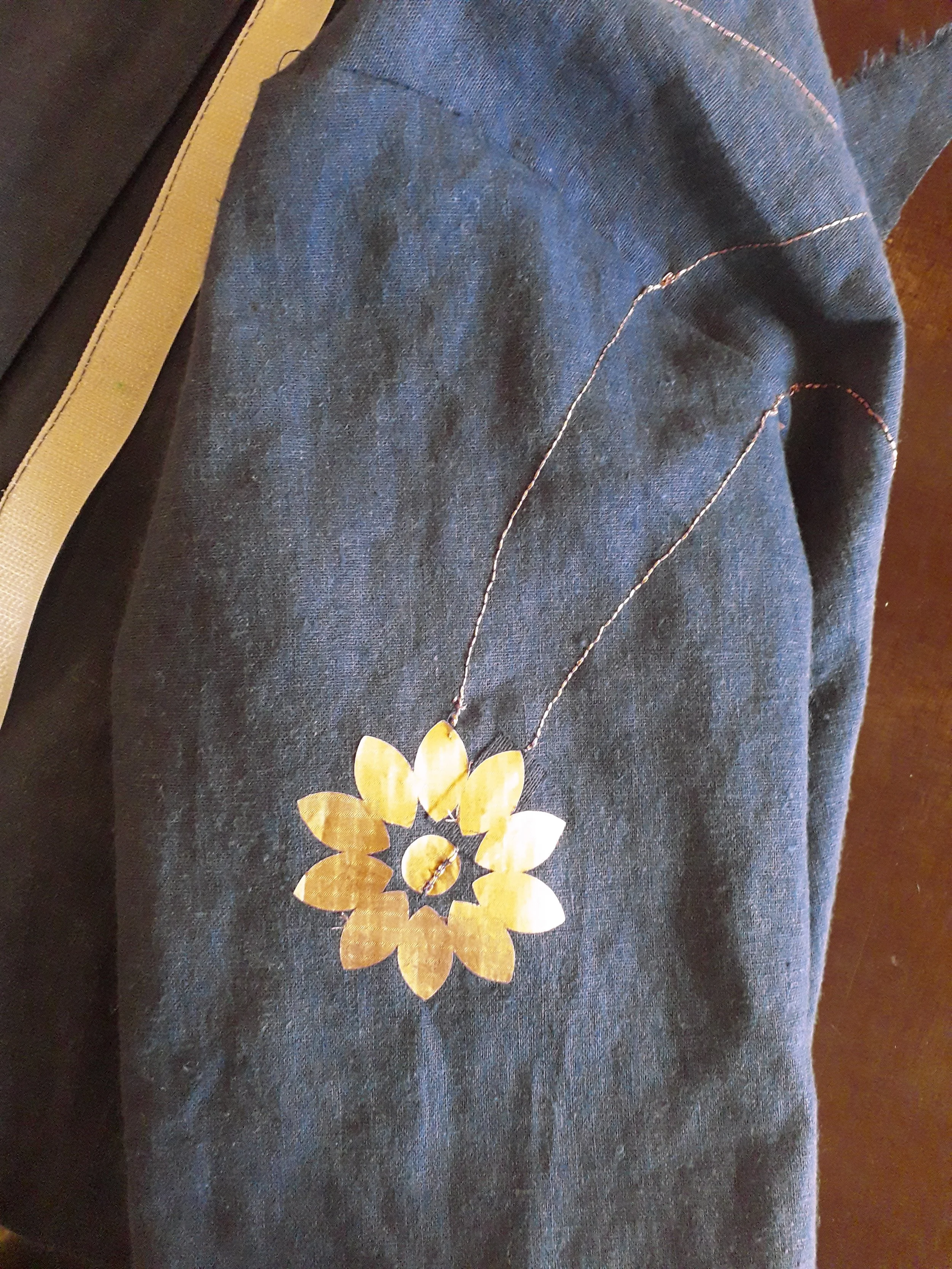
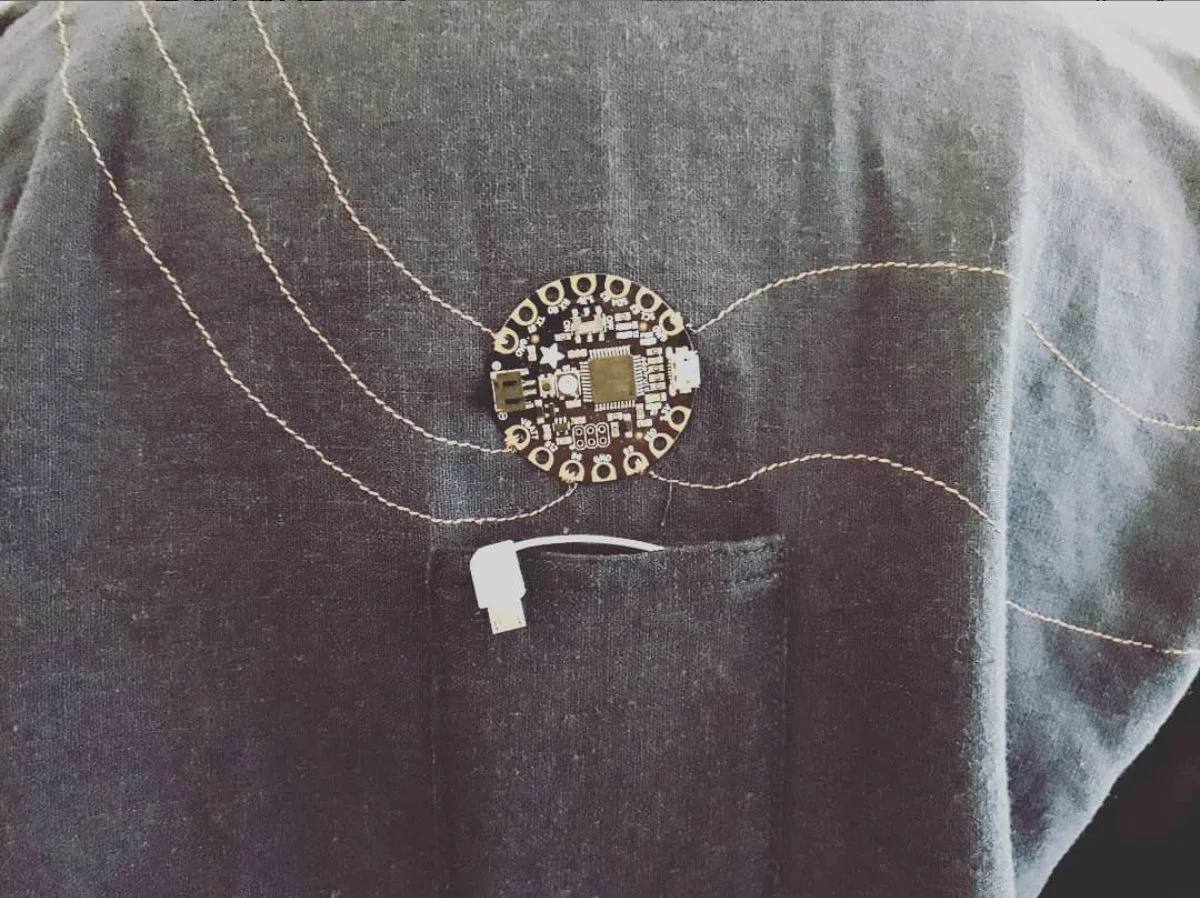
→ Soft textile sensors integrated into the garment structure
→ Haptic feedback designed to gently prompt posture awareness
→ Developed through sewing, pattern making, and circuit integration
→ Prioritised bodily awareness and wellbeing over surveillance or data extraction
The project demonstrates how e-textiles can move beyond novelty to support meaningful and humane interactions between the body and technology.
Key Characteristics
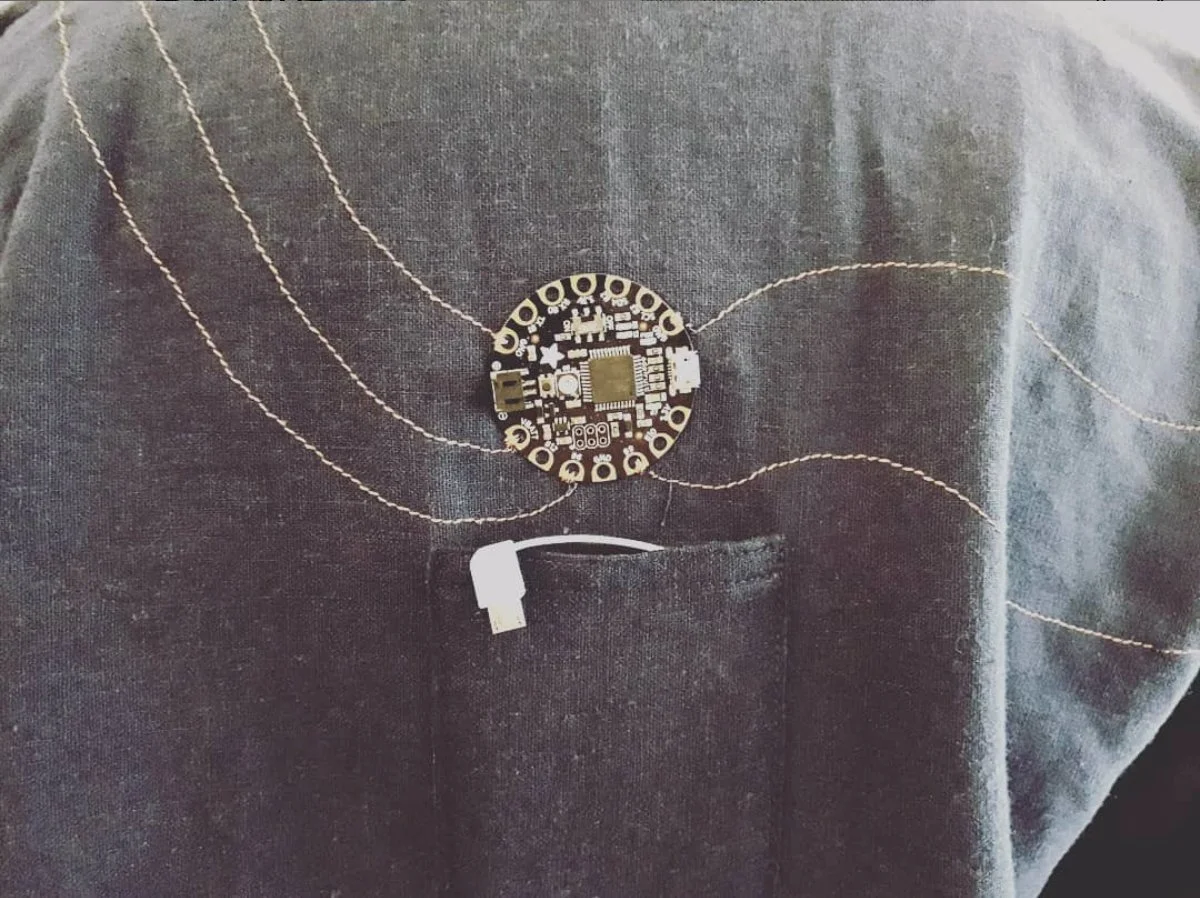
Outcomes and Learnings
Practical experience with ethical e-textile and wearable prototyping
→ Deepened understanding of material-led and embodied interaction design
→ Insight into sustainable approaches to production, repair, and longevity
→ Reinforced the role of designers in shaping values, agency, and responsibility within emerging technologies
Reflection
WEAR Sustain strongly influenced my approach to emerging technologies.
It demonstrated that ethical innovation is not an abstract principle but is embedded in materials, processes, and interactions from the outset. This project continues to inform my work with AI, wearables, and complex systems, where I prioritise human wellbeing, sustainability, and long-term impact over novelty or speed.